Wolf Cut Hair Explained: Look, Fit, and Home Styling
Wolf cut hair pairs choppy top layers with softer lengths; see who it suits, what to ask your stylist for, and how to style it with less product.

Think of a favorite pair of jeans, the ones that look right no matter what you wear them with. A wolf cut works a lot like that. It’s a shaggy, layered style with choppy texture on top and softer, piecey lengths underneath.
Here’s what we’ll cover: what the cut actually looks like, who it suits, how to ask your stylist for it, and how to style it at home with a light-layer, low-product routine.
The goal is good hair days with less damage and fewer products on your bathroom shelf.
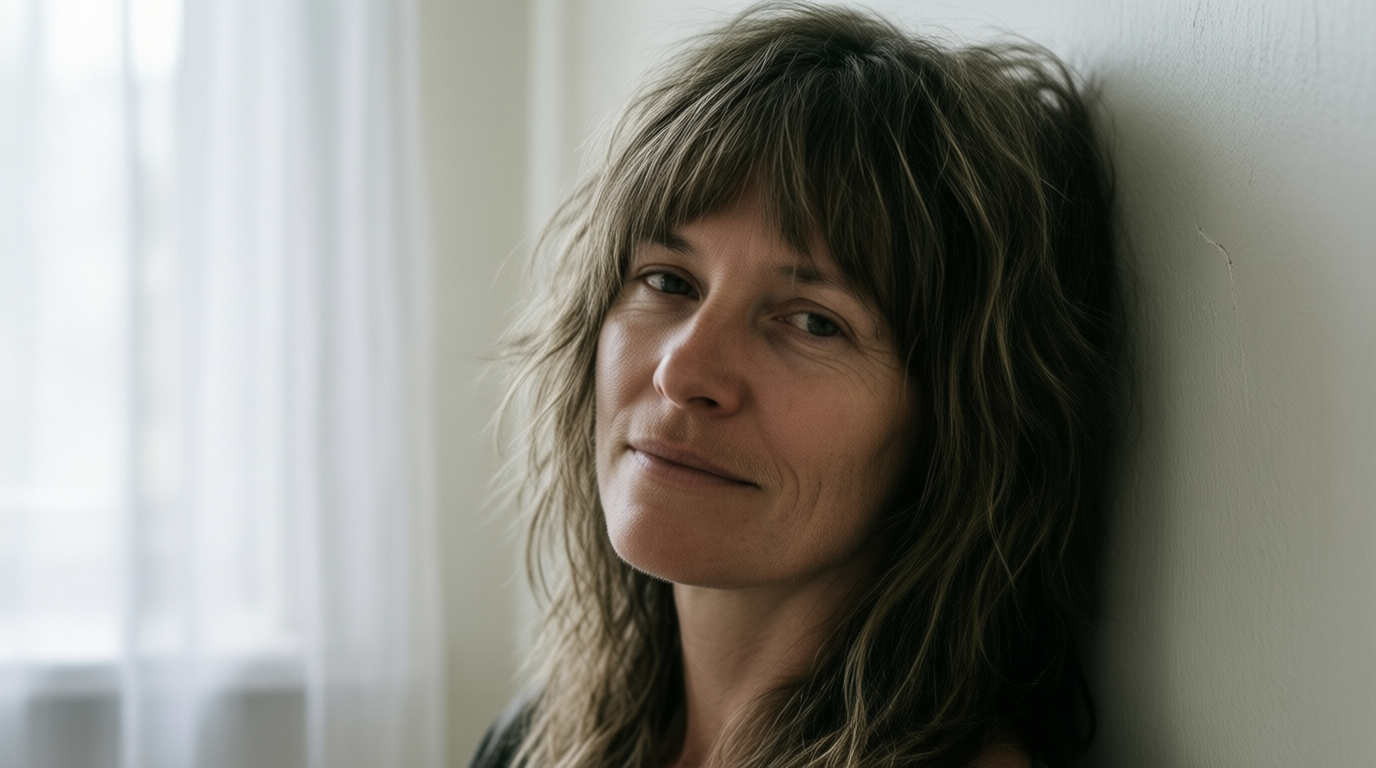
What Wolf Cut Hair Looks Like
The wolf cut is easier to spot than to describe, so here’s the picture.
Where the wolf cut came from
The wolf cut is a hybrid of the shag and the mullet, blending two looks into one. It’s a modern take on 70s and 80s styles, so it nods to the past without feeling like a costume.
The shape is built on choppy, textured layers with a short crown and a longer back. Picture the top sitting close to the head while the back falls longer.
The edgy, lived-in vibe it gives
The look is edgy yet soft. The cut reads bold, but it never feels severe.
It feels effortless and lived-in, with a wild, untamed wolf’s mane energy.
Consider a bridesmaid with a long, heavy bob who wants movement without an hour at the blow-dryer. Choppy layers give her texture she can scrunch in minutes before the photos.
It takes some confidence, because a cut this textured is a statement. Wear it like you mean it.
A shaved side is a different look, not a wolf cut, since the wolf cut is built on layers.
How it differs from a butterfly cut
A butterfly cut is the natural comparison, and both share a layered shape. The difference is in the finish: a butterfly cut leans toward softness, while the wolf cut leans toward edge.
| Butterfly cut | Wolf cut | |
|---|---|---|
| Layers | Softer, blended | Choppy, textured |
| Edge | Softer | Edgier |
Same family, different attitude.
Is wolf cut still trendy in 2026?
We can’t point to a 2026 ranking, but the wolf cut has had a long run. It’s been a big trend since 2022, according to Glamour magazine, and countless celebrities have styled it, including Jenna Ortega, Miley Cyrus, Billie Eilish and Whitney Peak.
That kind of staying power is worth weighing if you’re booking.
Who the Wolf Cut Suits
The wolf cut is less about how much hair you have and more about where the layers fall. Here’s how length, texture, and a few tricky spots shape the result.
How long your hair should be
A wolf cut works at a few lengths:
- Chin length or longer: the starting point for the cut.
- Collarbone-grazing: the most popular version.
- Lob, medium, or long: each one works.
Longer hair gives you the most dramatic layers, so the shape reads more clearly. If your hair sits above your chin, the cut isn’t the right fit yet.

How your hair texture shapes the cut
The wolf cut suits all textures. Waves and curls need less styling because the pattern does much of the shaping, so ask your stylist to cut to respect your curl pattern.
The layers then follow where your curls naturally fall instead of fighting them. Less styling, more bounce.
Fine hair needs soft layers that add movement without weighing it down. For example, a mother of the bride with fine, graying hair can ask for soft layers that give her lift for the ceremony without a long styling session.
So yes, an older woman can wear a wolf cut. Age doesn’t decide the fit: length and texture do.
The cut is also flattering on straight hair, where the layers show up clearly and the shape stays crisp. A cowlick, which is a spot where hair grows in its own direction, can be worked into the layers rather than fought.
Density and thinning change how the cut sits, so a stylist adjusts the layers to suit how much hair you have.
Temporary ways to get the look
Not ready to commit? Wigs or weaves can achieve the look. For example, a bridesmaid who wants the shape for one weekend can wear a wig and leave her own hair untouched.
Asking Your Stylist for the Cut
Here’s what to bring and what to ask for.
Bring photos and trust your stylist’s call
Bring two or three reference photos you love. For example, a new mom with fine, wavy hair might pick a photo of someone with similar texture, then tell her stylist she loves the soft ends. Clear pictures, better cuts.
Keep these in mind:
- Trust your stylist’s professional opinion. If they suggest a different version than your photo, they may see what a picture can’t show.
- Know your texture. Tell them whether your hair is straight, wavy, or curly, and how it behaves in humidity.
- Adapt the cut to your hair type. A good stylist shapes it to fit your hair rather than copying the photo.
Features to ask your stylist for
Ask for these by name:
- Crown volume. Ask for lift at the top so the cut doesn’t fall flat by midday.
- Textured choppy layers. Ask for texture so the ends look lived-in, not blunt. The aim is movement rather than weight.
- Blended short and long lengths. Ask for shorter pieces to melt into longer ones, with no hard line between them.
- Face-framing layers. Ask for longer pieces around your face that soften your features.
Deciding on a fringe and its style
A fringe is optional. If you want one, choose a style:
- Wispy fringe. Short, soft pieces that sit lightly on the forehead.
- Curtain fringe. Longer pieces that part in the middle and fall to each side.
Ask how a fringe will suit your face shape, and be honest about upkeep, since every bit of growth shows.

How to Style It at Home
Styling this cut at home takes a few tools and a short sequence. Here’s what we’d reach for.
Products that work well for this cut
Think of a bridesmaid with twenty minutes before the rehearsal dinner. Her goal is fewer products doing more work, so her hair still moves at the toast.
- Texturising spray. Grips the ends so the layers look intentional, not flat.
- Mousse or cream. Lifts the roots without weighing hair down.
- Leave-in balm for frizz. Tames flyaways and softens the ends.
- Pomade to separate layers. Use a little on your fingertips to define pieces around your face.
- Heat protectant and hairspray. Guard hair before any hot tool, then set the style with a light-hold hairspray.
- Lightweight leave-in. One is plenty. Minimal layering keeps the cut soft, not heavy.
The tools that make it work
- Hairdryer and round brush. Lifts the roots and directs the ends for bounce.
- Curling iron or straighteners. A curling iron builds waves, and straighteners bend the ends in.
- Diffuser, clips, and lightweight comb. Diffuse on low heat, clip sections while they dry, and comb gently.
- Using fingers to shape. Your fingers are the most precise tool here.
Style it yourself, step by step
- Towel dry to 80%. Blot, don’t rub.
- Mousse at roots. Focus on the crown and part for lift.
- Blow dry for lift. Send roots up and away from your face with the round brush.
- Loose waves in alternating directions. Switch direction every few pieces so the waves look natural, not uniform.
- Scrunch and hairspray. Scrunch the ends, then mist lightly.
Your hair should look a little tousled. Aim for undone, not unfinished.
A low-effort routine for busy days
- Wash, product, and go. Skip the tools on rushed mornings. One leave-in, a scrunch, and out the door.
- Soft waves for longer cuts. Wave just the front pieces and let the back fall naturally.
- Keep hair healthy. Book trims regularly to keep the shape crisp. When growing out, ask your stylist to soften the layers gradually.
- Heat-free overnight wave options. Think of a new mom with ten minutes in the morning, not forty. Sleep in two loose braids on damp hair, and she wakes up with soft waves and no heat needed.
A wolf cut is really about shape and movement. When the layers are placed well, your hair does much of the work, so a quick scrunch and a light touch of product can be all it takes.
Ask your stylist for exactly what you want, keep your routine simple, and let your texture show. Good hair days don’t require a full shelf of products.
The best wolf cut is the one that looks like you the moment you leave the salon and still feels like you on day five.
References
- The Wolf Cut Is Set To Be This Year’s Most Requested … — glamourmagazine.co.uk (2026)
Questions
What is it called when a girl shaves the side of her head?
It’s usually called an undercut or a side shave. A wolf cut is a layered style and does not require shaving the side of the head.
What exactly is a wolf cut hairstyle?
A wolf cut is a shag-and-mullet hybrid with choppy, textured layers, a shorter crown, and longer hair at the back. It creates an edgy, lived-in shape with movement.
Is wolf cut better or butterfly cut?
Neither is universally better; it depends on the look you want. A wolf cut has choppier layers and an edgier finish, while a butterfly cut has softer, more blended layers.
Can an older woman wear a wolf cut?
Yes. Age does not determine whether a wolf cut will suit you; hair length and texture matter more. A stylist can adapt the layers to your hair’s density and shape.
Is wolf cut good for long hair?
Yes. Wolf cuts work on long hair, and longer lengths can make the layered shape more dramatic and visible. The cut is also suited to medium lengths and lobs.
Who should not get a wolf cut?
A wolf cut may not suit someone who wants a smooth, blunt, low-texture shape, since its defining feature is choppy layering. Hair shorter than chin length is generally not long enough for the cut, and a stylist should also adapt the layers for thinning or fine hair.
Is wolf cut still trendy in 2026?
The wolf cut has remained popular since its major rise in 2022, so it still has trend staying power in 2026. There is no definitive 2026 ranking, and whether it feels right for you depends on your preferred style.
Sources
- The Wolf Cut Is Set To Be This Year's Most Requested ..., glamourmagazine.co.uk,