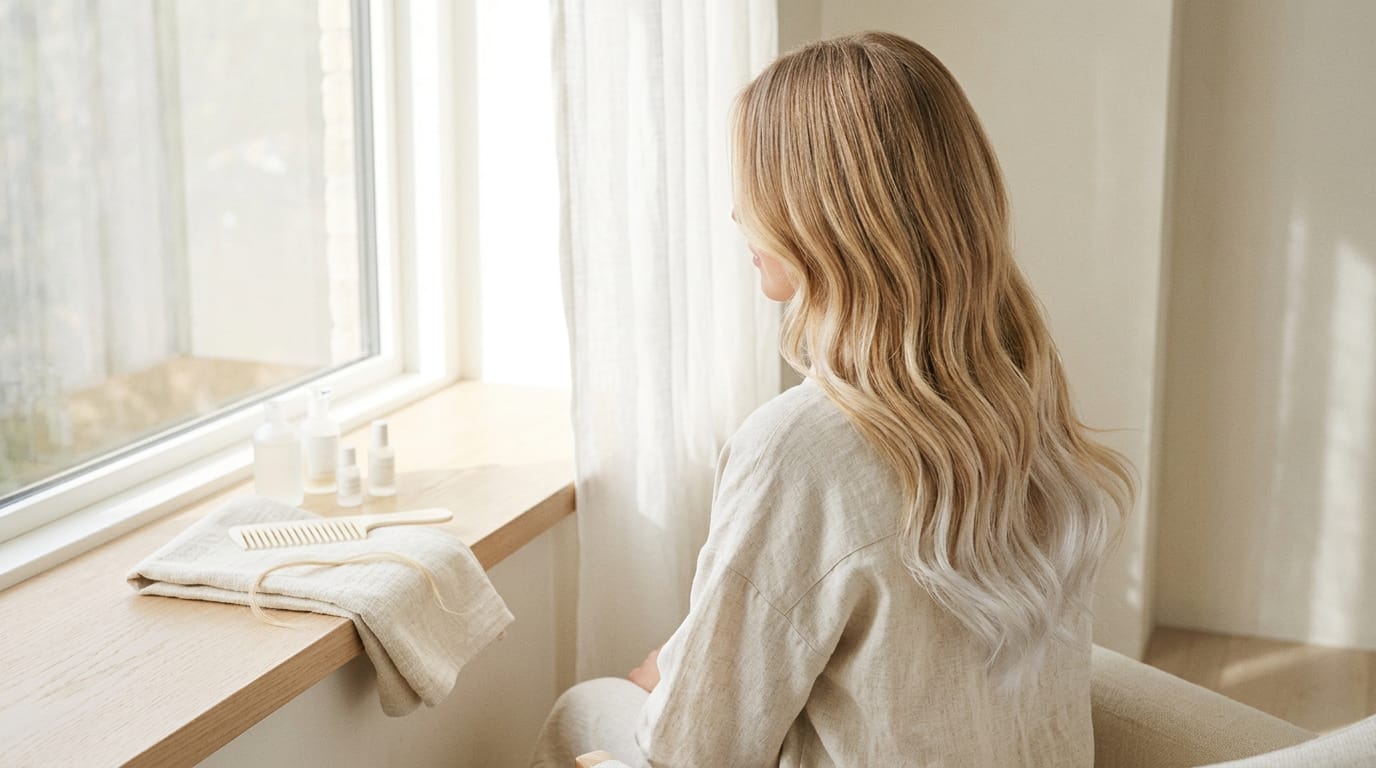
Blonde Hair Guide: Shades, Tones, and Care
Blonde hair looks intentional when its level and tone suit your skin and eyes. Compare shades, coloring methods, and daily care to choose yours.
Picking a blonde is a lot like picking paint for a room. Two swatches can look identical under the store lights, then clash once they’re on your walls. Your skin tone and eye color change your hair the same way.
Blonde comes down to two choices: the level, or how light the color is, and the tone, the undertone such as golden, ashy or beige. Get both right and your color looks intentional.
Here, we’ll cover every shade and tone, how to choose yours, the coloring methods that get you there, and the daily care that keeps blonde soft and low-damage.
Types of Blonde Hair Shades and Tones
Blonde isn’t one shade, so here’s how we’ll break it down. Every blonde has a level, or how light the hair is on a scale from 1 (black) to 10 (the lightest blonde), and a tone, or which way the color leans: cool, warm, or red.
Cool and light blonde shades
Cool shades lean away from gold. Platinum blonde is the icy top of the scale and the clearest example of level 10 blonde, the lightest shade with almost no warmth left.
Ash blonde is a cool, slightly grayish blonde with no golden cast, and light ash blonde is that same tone at a lighter level. Consider a bride who wants bright wedding photos without a yellow tinge. Light ash keeps her color cool and clean in every shot.
- Silver blonde looks metallic, with a gray-tinged shimmer.
- Champagne and creamy blonde is soft and pale with a hint of warmth.
- Vanilla lilac adds a faint violet cast, and rose gold adds a pink-copper shimmer.
Warm and golden shades to try
Warm shades lean gold, honey, or bronze:
- Golden and honey blonde: classic sunlit gold.
- Buttery blonde: a soft, creamy yellow.
- Sandy and summer blonde: sandy beige-gold with a sun-kissed look.
- Bronze creamy blonde: warm bronze over a creamy base.
Blondes with red tones
Red tones push warmth the furthest:
- Strawberry blonde: light blonde with a soft, reddish-pink glow.
- Cherry blonde: a bolder blonde with cherry-red warmth.
- Copper and auburn blonde: orange-red copper, or deeper reddish-brown auburn.
- Cinnamon blonde: a spicy mix of reddish-brown and gold.
If you want red without going full red, strawberry is the gentlest place to start.
Is dirty blonde the same as dark blonde?
Not quite. They sit close together, but they aren’t the same.
- Natural and medium blonde: the everyday middle of the scale.
- Dirty blonde: a muted mix of brown and blonde.
- Beige blonde: a soft, neutral blonde with a beige cast.
- Dirty blonde vs dark blonde vs blonde: dirty blonde mixes in brown, dark blonde runs deeper, and blonde is the brightest of the three.
Yes, dirty blonde can be attractive. Think of a flight attendant who wants one color for her uniform, her days off, and her photos. It’s a natural blend of brown and gold that looks low-fuss in all three. One color, three looks.
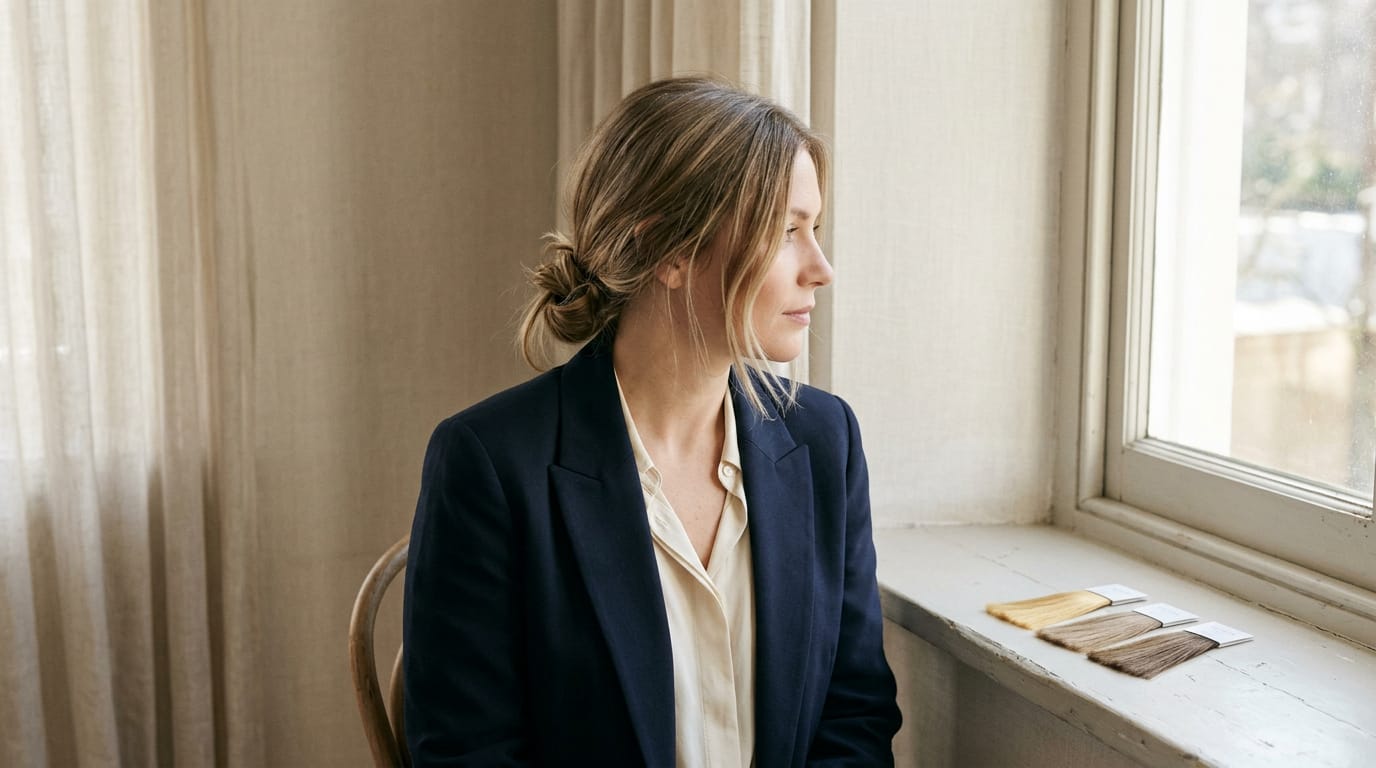
What color sits between blonde and brunette?
The name for the in-between zone is bronde, a blend of blonde and brunette with brown depth and blonde lightness together. Other named shades fill it in:
- Caramel blonde: a warm, golden-brown middle.
- Chocolate and chestnut blonde: rich browns, with chestnut leaning warmer and chocolate deeper.
- Black blonde: a very dark base with blonde lightness woven through.
- Cream soda and mushroom blonde: cream soda is creamy golden-beige, while mushroom is a cool, grayish brown.
- Shades between blonde and brunette: there are many stops along the way, so your stylist can help you find yours.
Picking the Right Blonde for You
Choosing a blonde is less about what caught your eye in a photo and more about how the shade sits on your face.
Matching blonde to your skin tone
Your undertone is the warm, cool, or neutral tint beneath your skin, and it guides the shade.
Match your undertone:
- Warm skin: go golden (yellow-toned, like honey or caramel) for a sunlit look.
- Cool skin: choose ash (muted and grayish, with no yellow) for a clean finish.
- Neutral skin: you’re flexible, so sandy or soft beige works well.
Picture a bride with warm, olive skin who wants sun-kissed wedding photos. A soft golden blonde delivers that glow, while a cooler ash could look dull on her.
Factoring in your eye color
Blue and gray eyes often look sharper beside ash, while hazel and green eyes shine with golden or sandy tones.
Light eyes suit softer, lower-contrast blondes, while dark eyes can carry brighter ones.
Take a reader with hazel eyes who compares a honey and a sandy blonde in daylight. The honey brings out the warm flecks in her irises.
Starting from your natural hair color
Your level is how light or dark a shade is. Staying within two levels of your natural color is the gentlest move, since bigger jumps need more lightener.
A natural look blends into your roots, so grow-out stays soft. A bold look contrasts with them and needs more upkeep.
Brunettes have plenty of options: caramel and honey soften deep brown without washing it out.
New to blonde? Start with soft golden or sandy tones, or a few lighter highlights, not a full icy shade.
Think of a new mom who’s been brunette for years and wants a change. Two levels lighter in honey gives her a fresh look that grows out softly. Small step, easy grow-out.
When to ask a stylist for help
A professional colorist reads your starting point and picks a tone that holds, helping you avoid brassy (unwanted orange or yellow) or uneven results.
Leave these to a pro:
- Multi-tone blends
- Big jumps in level
- Going light over old color
Imagine a bridesmaid with dark, dyed hair who wants soft blonde for the wedding. A stylist can plan the lift over a visit or two, so she walks in looking finished.
Coloring Methods to Get the Look
Blonde can be built several ways, and the method you choose sets how much upkeep you’ll take on. Here’s how each one works, and which fits your routine.
Balayage, highlights and ombré looks
Balayage is painted freehand, so the lightest pieces land where the sun would naturally hit. The result is a soft, lived-in look with no hard line where the color starts. Consider a bride who wants sun-kissed hair in her photos.
Balayage gives her that glow, and blended roots mean fewer salon trips after the wedding.
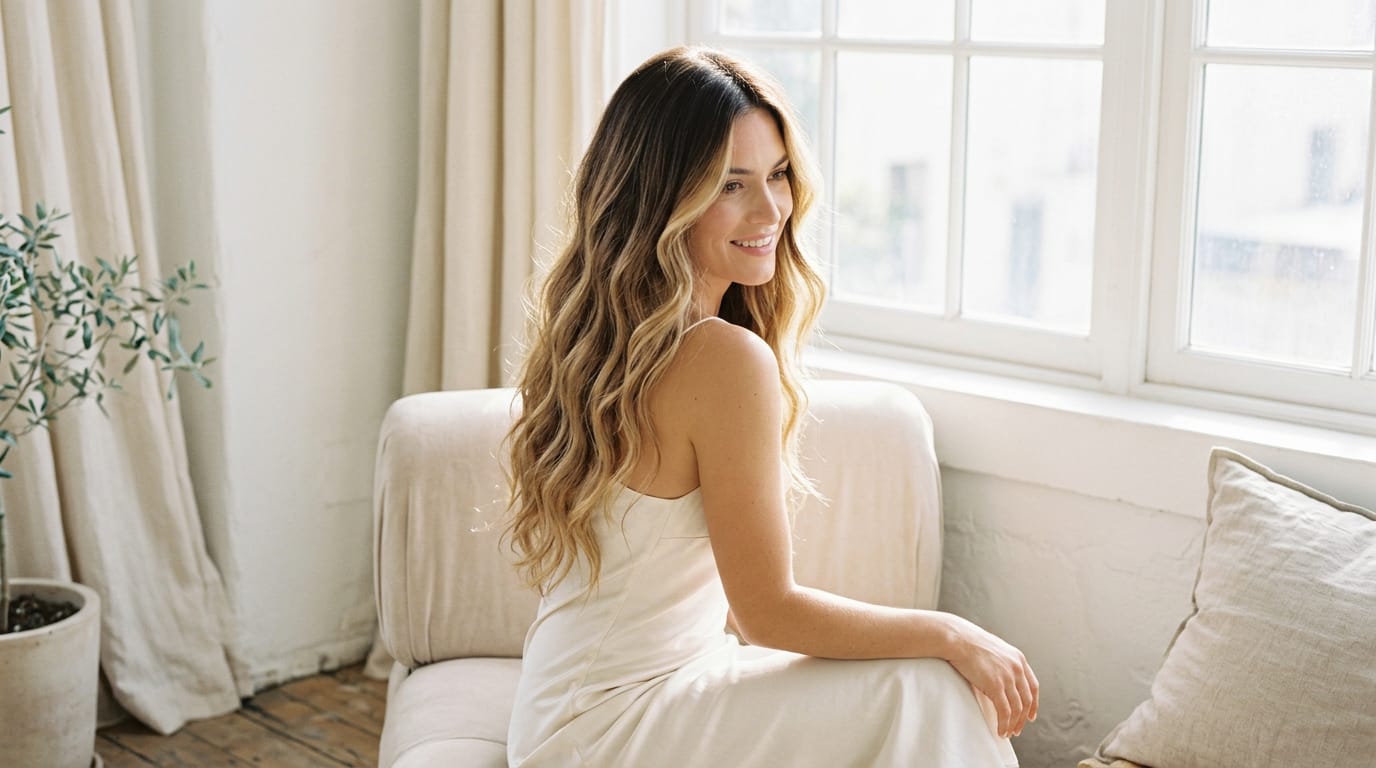
An ombré is a dark-to-light transition, darker at the roots and lighter at the ends. Face-framing highlights are lighter pieces around the face that brighten your features.
Lowlights are darker strands woven among the lighter ones, so the blonde reads as layered rather than flat. They don’t darken it. They add dimension.
Lifting color with bleach, then toning
Going from a dark base to platinum takes bleach, because dye alone can’t lift that far. Bleach lifts your color level, meaning how light the hair is.
Bleached hair often shows yellow or orange undertones. A toner is a gentle tint that neutralizes them. Toner doesn’t lighten. It neutralizes, which keeps blonde from looking brassy.
Doing it at home or the salon
At-home dye kits suit a simple, all-over shade close to your natural color. Complex looks, like platinum or multi-tone balayage, are better left to a salon.
Temporary color sprays wash out with shampoo, so they’re a low-stakes way to test a shade. Take a bridesmaid who wants a brighter tone for the photos. A spray lets her see it in natural light before she commits.
Easy ways to test blonde first
Wigs let you try the full look without touching your own hair. Picture a reader who’s worn brunette for years and wants to know if blonde suits her face. A few everyday outings in a wig answer that question before any bleach is involved.
Leaving your roots a shade or two deeper means regrowth shows less, so appointments can stretch.
If blonde feels like a big leap, start with a warm, golden shade close to your natural color. Think gradual rather than all at once, then go lighter at your next visit if you’re ready.
Caring for Blonde Hair Day to Day
Blonde looks its best with a little regular care. Here’s how to keep yours bright and soft.
Fighting brassiness with toning shampoo
Lightened hair can pick up a warm cast over time, called brassiness. Toning shampoo is the simplest fix:
- Purple shampoo for yellow tones
- Blue shampoo for orange tones
Use either one weekly rather than with every wash, since toning works best as maintenance. Purple masks are stronger, so keep them occasional and never leave them on longer than the label says.
Between toning washes, keep things gentle with a mild shampoo and a conditioner that won’t weigh hair down.
Think of a bride whose hair turned brassy after a summer outdoors. A weekly toning wash and gentle care in between got her back to her trial-appointment shade, with no extra salon visit before the big day.
Protecting and repairing bleached hair
Bleach lifts color by opening up the hair shaft, so it can leave strands drier and more fragile than before. Treat your blonde as something to protect, not just a color to maintain.
Bond-strengthening products help reinforce the hair’s internal structure, so add them to your routine. Keep hot tools for the days you truly need them. Less heat, softer hair.
Always spritz on a heat protectant before the dryer or flat iron. Finish with a lightweight leave-in that softens without weighing fine strands down.
How much upkeep blonde needs
Blonde requires high maintenance, especially in lighter shades where brassiness shows. Dark blonde lowers upkeep, since brassiness and grow-out show up less.
Darker roots are acceptable now, so you can stretch appointments without panic. Your shade, your schedule.
Celebrity Blondes and Styles to Copy
Red carpet photos show a shade, a cut, and a finish in real light. Here’s how we’ll borrow those looks for your own hair.
Red carpet blondes worth copying
Red carpet blondes usually fall into three families:
- icy platinum
- soft honey gold
- muted ash
Save photos by shade rather than by famous name, then bring them to your stylist. A level is how light the blonde is, and a tone is its undertone, either warm or cool.
Natural blondes often look lived-in, with shifting tones, while bleached blondes read brighter and more uniform. A few hand-painted highlights can recreate a sun-streaked look instead of one flat, all-over bleach.
Haircuts and styling for blonde
Pair the cut with the color:
- Platinum pixie. Short hair puts the shade right on your face, so it has to look clean.
- Blonde bobs and lobs. A bob hits the jaw, and a lob (a long bob) sits at the shoulders, both adding easy movement.
- Curtain and highlighted bangs. Curtain bangs part in the middle and frame the face. A few lighter pieces catch the light.
- Long waves and curls. Length gives highlights room to move. Think of a new mom who wants her color to show in every bounce without spending her morning on hot tools.
Where to place color for depth
- Ombré roots with ashy ends. Deeper roots fade softly into cool, ashy ends, so regrowth shows less.
- Peekaboo dark roots. Darker color underneath peeks out when you part or tuck your hair.
- Lowlights for depth. Darker strands woven through blonde keep very light hair from looking flat.
- Strawberry and red hints. Warm, reddish-gold notes glow against cool blonde, but they fade fast, so plan a gloss now and then.
Why blonde stays popular over time
Blonde is timeless and versatile: it’s elegant at a classic wedding and easy on a casual weekend. It works on fine, thick, straight, wavy, or coily hair at any length, and a platinum or strawberry-tinged shade makes a bold statement when you want one.
A sister who wants one honey blonde for family photos, the rehearsal dinner, and brunch can wear it to all three. One color, three events.
A great blonde isn’t about the lightest shade on the chart. It’s about the level and tone that suit your skin, your lifestyle and how you want to feel.
Choose with intention, color with a method you trust, and give your hair a little light-layer care each week. Your blonde will look brighter, feel softer and hold up longer between appointments.
The best blonde is the one that looks like you, only brighter, and never asks for more attention than you’re willing to give it.
Questions
What is level 10 blonde hair?
Level 10 blonde is the lightest level on the hair-color scale, which runs from 1 (black) to 10. It is extremely pale; platinum blonde is a clear example, often with almost no warmth.
What are the types of blonde hair?
Blonde types vary by lightness level and tone. Common shades include platinum, ash, silver, champagne, golden, honey, buttery, sandy, strawberry, copper, and dirty blonde.
What hair color is in between blonde and brunette?
Bronde is the blend between blonde and brunette, combining brunette depth with blonde lightness. Caramel blonde, chestnut blonde, and mushroom blonde are other shades in this in-between range.
What color is ash blonde?
Ash blonde is a cool, slightly grayish blonde without a golden cast. It gives hair a muted, cool finish.
What hair color is dirty blonde?
Dirty blonde is a muted blend of brown and blonde, often with natural-looking brown and gold tones. It is less bright than many lighter blonde shades.
Is dirty blonde the same as dark blonde?
No. Dirty blonde mixes brown and blonde, while dark blonde describes a deeper level of blonde; the shades can be close in appearance.
Are dirty blonde and blonde the same thing?
Dirty blonde is a type of blonde, but it is not the same as a bright or light blonde. It is more muted because it blends blonde with brown.