Balayage Hair Explained: Technique, Costs, and Care
Balayage hair uses freehand color for soft, sun-kissed blending instead of stripes. Compare it with highlights, explore shades, costs, and upkeep.
Think of that sun-kissed look you get after a week at the beach: brighter ends, softer roots, and no obvious line where the color changes. That’s the effect most people want from balayage.
Balayage is a freehand technique where color is painted onto select sections of hair in soft, sweeping strokes, so the lightened pieces blend into your natural shade instead of sitting in stripes.
Here, we’ll cover what it is, how it differs from highlights, what it costs, which colors to try, and how to keep lightened hair healthy between visits.
What Balayage Hair Actually Is
Balayage is a hand-painted lightening technique. Here’s what the name means, how it differs from highlights, and which hair it suits.
Where the name balayage comes from
Balayage is French for ‘to sweep,’ which describes the motion your colorist uses. Strokes of lightener are painted freehand, with no foils or caps, for a soft, sun-kissed gradient rather than stripes.
Consider a bride who wants brighter ends for her wedding photos but no harsh line at the roots. The strokes melt into her own shade, so her brighter ends look natural in every photo. Say it bah-lah-ZHAHN, with the stress on the last syllable.
How balayage differs from highlights and ombré
The biggest difference is how the color goes on. Highlights rely on foil, while balayage doesn’t, so it’s painted by hand for a softer edge and a more gradual grow-out. Less foil, more blend. Ombré is a defined fade, while balayage is soft and blended.
Here are the main ways to highlight hair:
- Highlights. Color placed inside foil, in set sections.
- Balayage. Hand-painted freehand, with no foils.
- Ombré. A fade from one shade to another.
- Foilayage. A hybrid of foils and hand-painting.
Techniques can be combined, too.
Which hair types and colors suit balayage
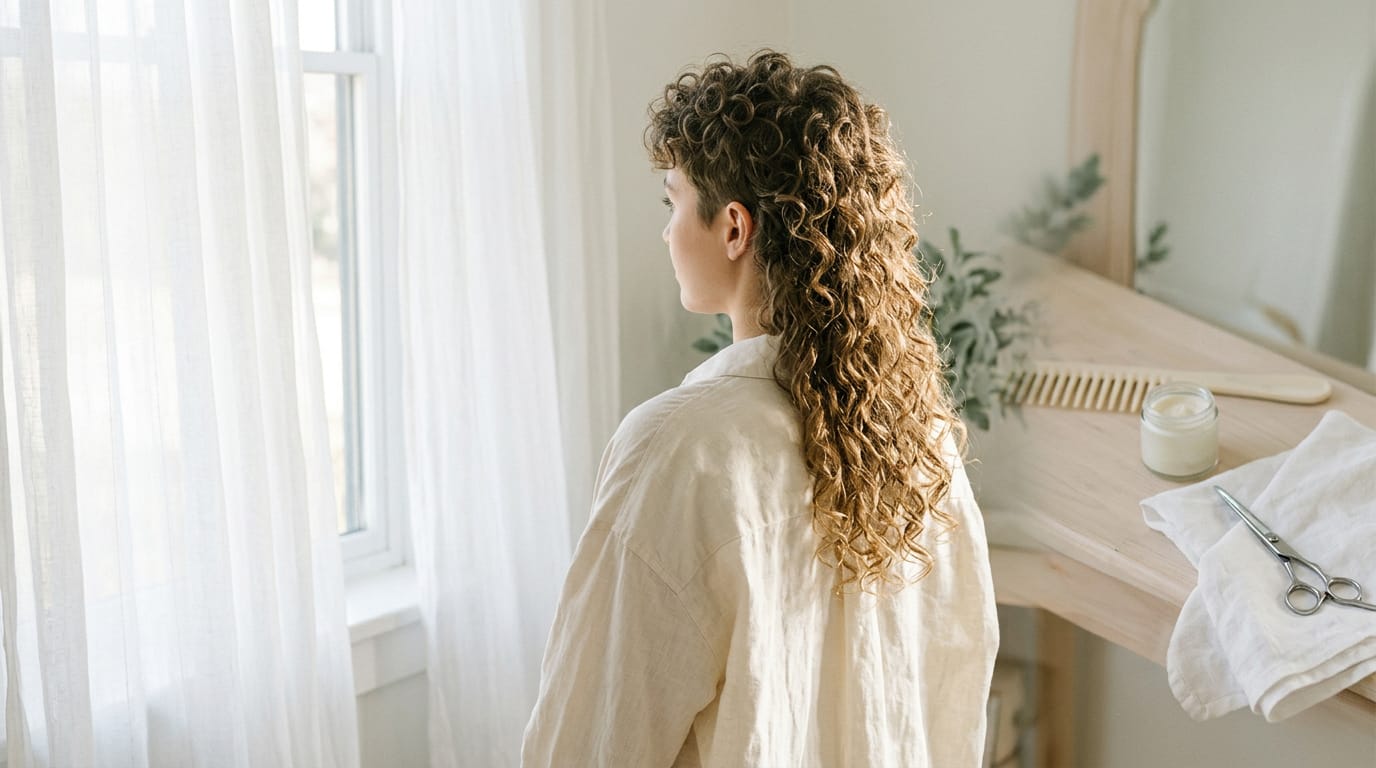
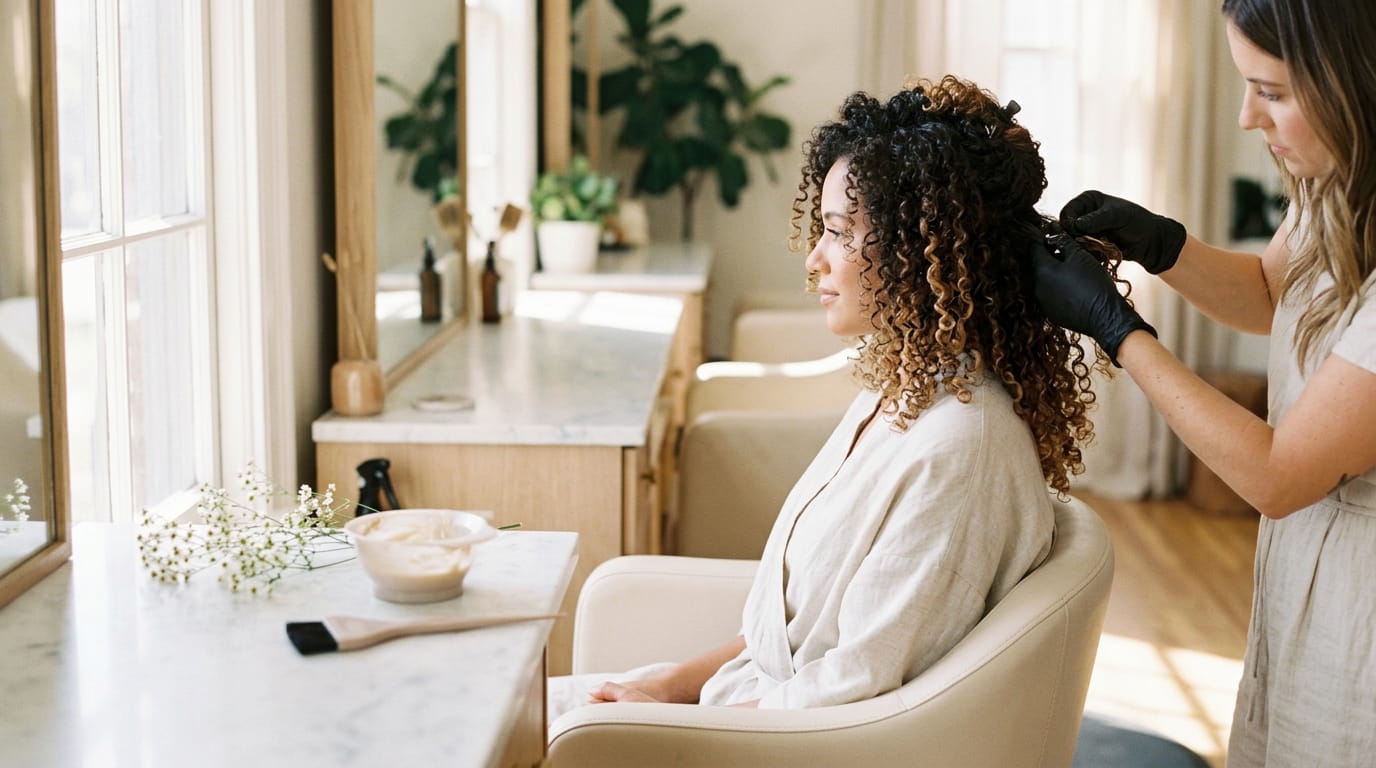
Balayage works on all hair colors and on straight, wavy, and curly textures, and it suits every skin tone. That said, your starting color dictates the result. Curl pattern affects sectioning, which is how your colorist divides the hair before painting.
Consider a reader with tight curls who wants lighter ends for a summer wedding. Her colorist sections by curl pattern so the gradient lands evenly on every curl. Same technique, different plan.
Why Balayage Stays so Popular
Balayage has stayed on salon wish lists for years. Here’s what keeps it in demand, and what we mean by low upkeep.
Why celebrities keep wearing this look
Famous faces have helped. According to Who What Wear, balayage’s popularity has been tied to celebrity adoption, and one writer first spotted the trend on favorite celebs like Emma Stone and Penélope Cruz. The look has been trending since 2014.
Think of a new mom who wants an easy, cool-girl look for busy weekends. Balayage delivers ease rather than effort, with lighter pieces that look intentional even when she’s rushing out the door.
Is balayage good for thin hair?
It can be, and the reasons come down to placement. Balayage relies on selective lightening, lifting chosen sections instead of the whole head, which creates depth and movement.
An analysis of modern hair care approaches notes these techniques are especially appreciated by people who want individuality with a natural look.
Those lighter pieces can also make thinner hair look fuller. Because you and your stylist decide where the light goes, balayage is fully customizable. Since only selected sections get lightened, it’s a gentler kind of lightening.
Low upkeep and how long it lasts
Balayage avoids a harsh regrowth line, the sharp band where new roots meet the color.
An analysis of modern hair care approaches says that can mean fewer salon touch-ups, but upkeep still depends on care and lift (how much lightness the hair was taken to).
Expect results to last three to six months. Think of a mom who books her balayage in March. By early summer, the new growth blends in, so she can stretch the time between visits.
Fewer trips, same glow.
Colors to Try with Balayage
Balayage suits almost any shade, so start with your skin tone, your upkeep, and how bold you want to go.
Blonde shades to ask for
- Ash, golden, and vanilla blonde: ash runs cool, golden runs warm, and vanilla sits between them.
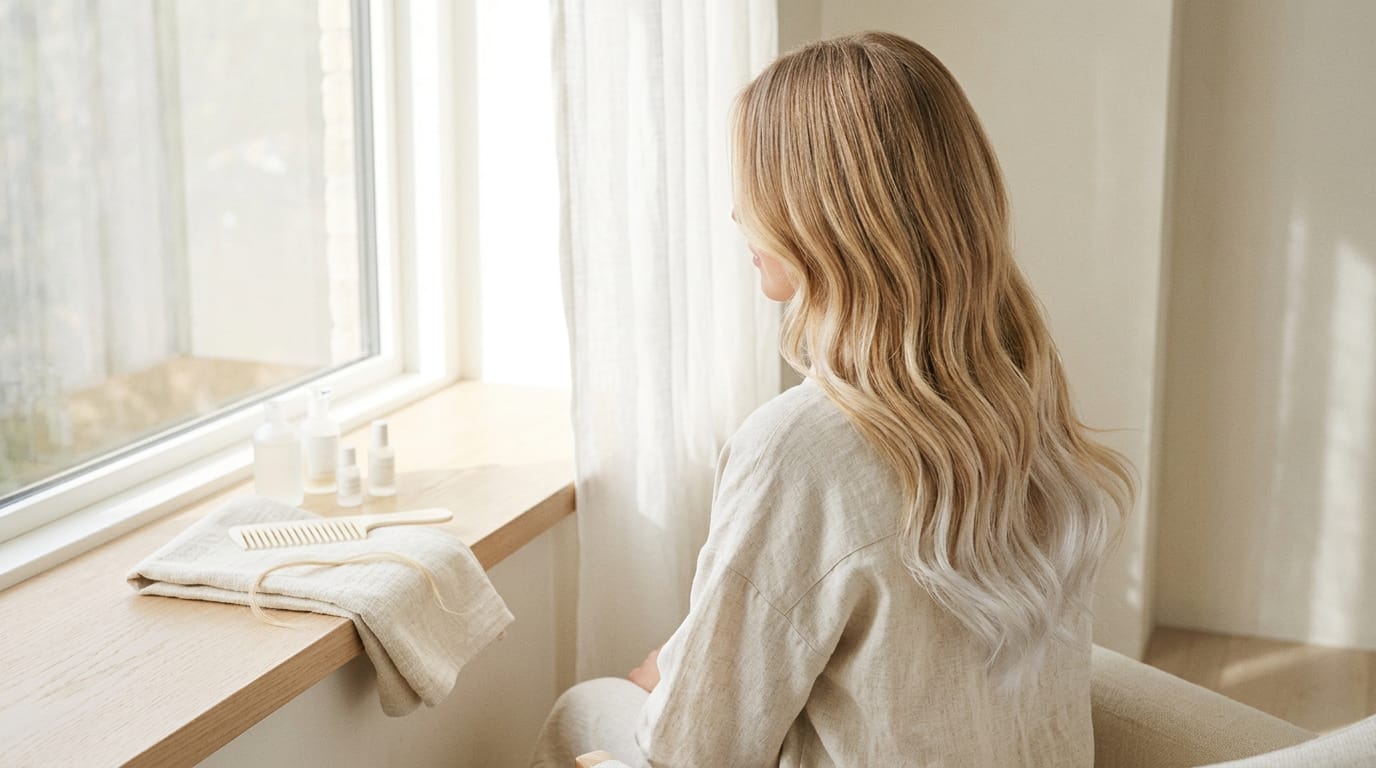
- Champagne and bright blonde: champagne is soft and slightly cool, while bright blonde is clean and light.
- Strawberry blonde: a blonde with a rosy, warm glow.
- Babylight and sun-kissed: soft lightening close to your base that looks effortless.
Think of a bride who wants bright photos without a bleached look. A soft champagne balayage with lighter pieces around her face gives her that glow, while the rest stays close to her natural shade.
Brown and bronde shades to consider
Brown is a gentler start:
- Caramel and subtle brown: warm pieces that blend into your base, so regrowth is less noticeable.
- Ash and golden brown: ash keeps the tone cool and muted, while golden adds sun-warmed richness.
- Bronde balayage: a blend of blonde and brown that softens the line between your roots and highlights.
Wondering what color makes a 60-year-old look younger? Usually a soft, warm shade that blends with your natural tone looks fresher than stark, high-contrast blonde, which can make gray hair stand out. Softer is the safer bet.
Go bold with these special styles
These take more commitment:
- Reverse balayage: darker tones placed on lightened hair to tone down brassiness or blend older color.
- Silver and copper: icy silver for a striking look, or fiery copper for warmth.
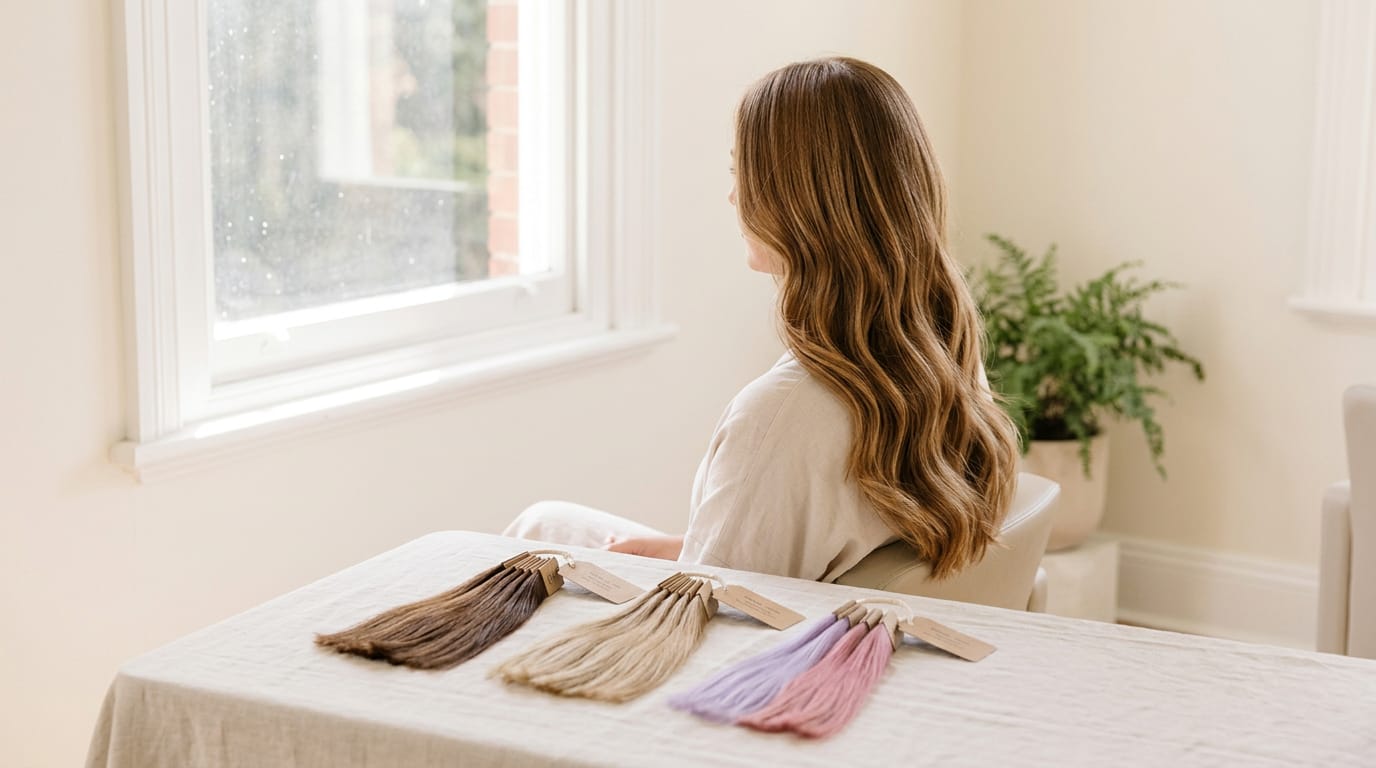
- Pastel balayage: soft pink or lavender tones over lightened hair.
- Ombré blonde balayage: a gradient from darker roots to lighter ends.
- Face-framing and bangs: lighter pieces around the face or along a fringe.
Pick one bold move, not five.
Getting Balayage Done at a Salon
Booking balayage is less about what shade you pick and more about who paints it.
How much does balayage cost at salons?
Balayage pricing isn’t one set number. It varies by stylist and location, and customized work costs more than a standard application. Ask for a written quote before you sit down.
How much do highlights usually cost? Their total follows the same factors, like hair length and the stylist’s rates, so ask for quotes on both for the same look.
How to work well with your colorist
Start with a consultation, a short talk before any color is mixed. Bring inspiration photos. Think of a bride who wants sun-kissed ends that still look like her own hair in the wedding photos.
She brings three photos and says ‘lighter at the face, softer at the roots,’ which gives her stylist a clear target.
Your stylist should also assess your hair’s condition, since previously colored or damaged hair may need a different plan. Experience matters more than fancy decor.
Use the consultation to talk through upkeep. These questions help:
- How much experience do you have with balayage on hair like yours?
- How often will touch-ups be needed, and what does upkeep look like at home?
- What do you recommend for hair in this condition?
How the color is painted onto hair
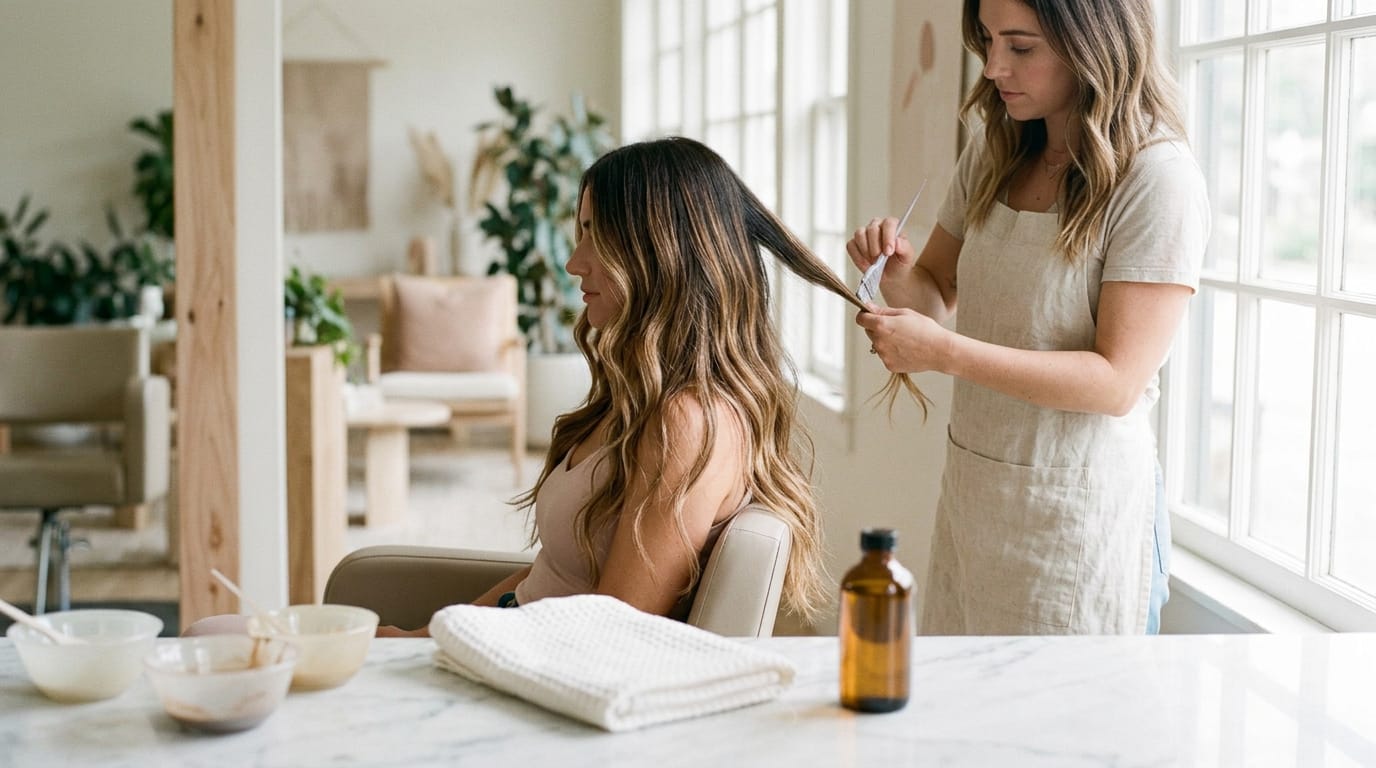
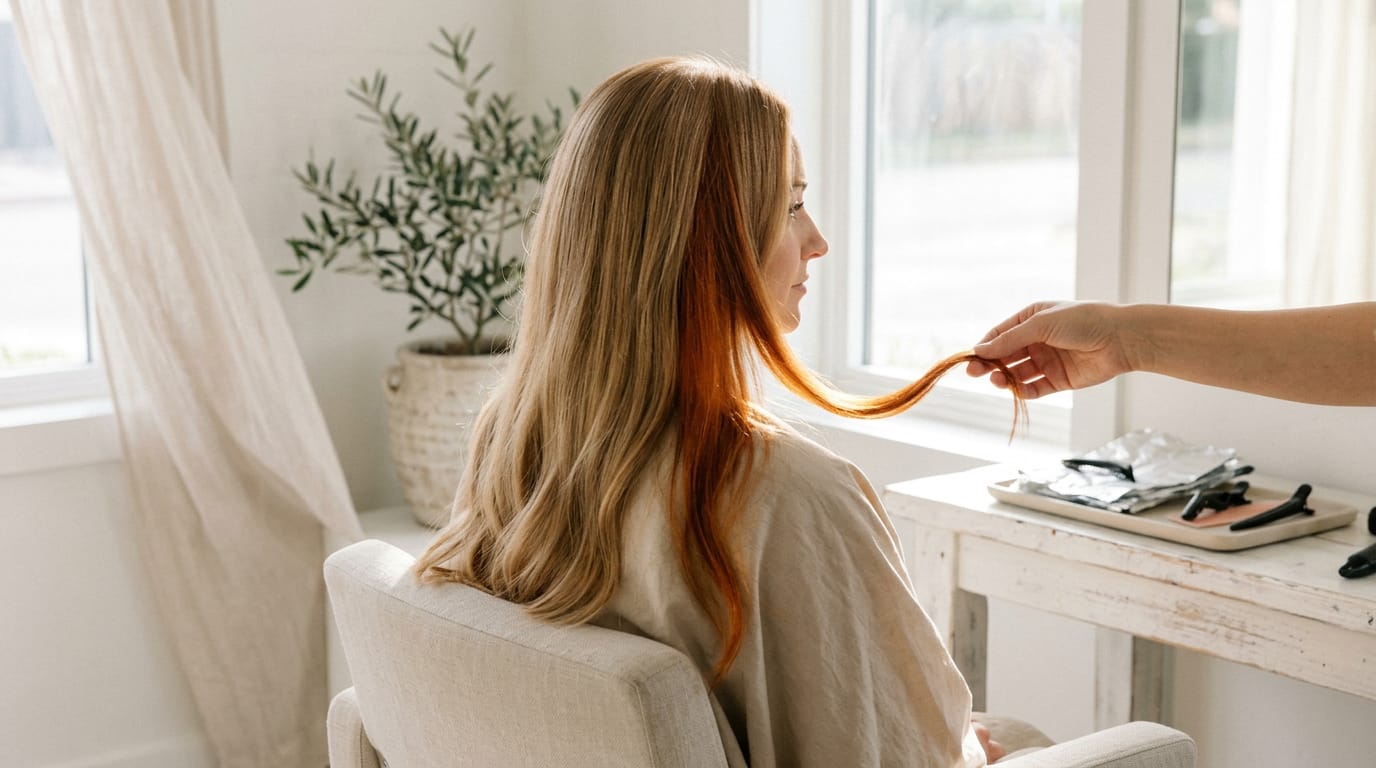
The stylist sweeps color on by hand, so the placement looks natural. Color goes on softer at the root and bolder toward the ends, which keeps the grow-out line from looking harsh. That’s the goal.
Some stylists tease or backcomb sections to help color blend, and some use foil to hold it in place.
Doing Your Own Balayage at Home
Yes, you can try balayage at home, but it pays to know what you’re getting into first.
Whether to try it yourself
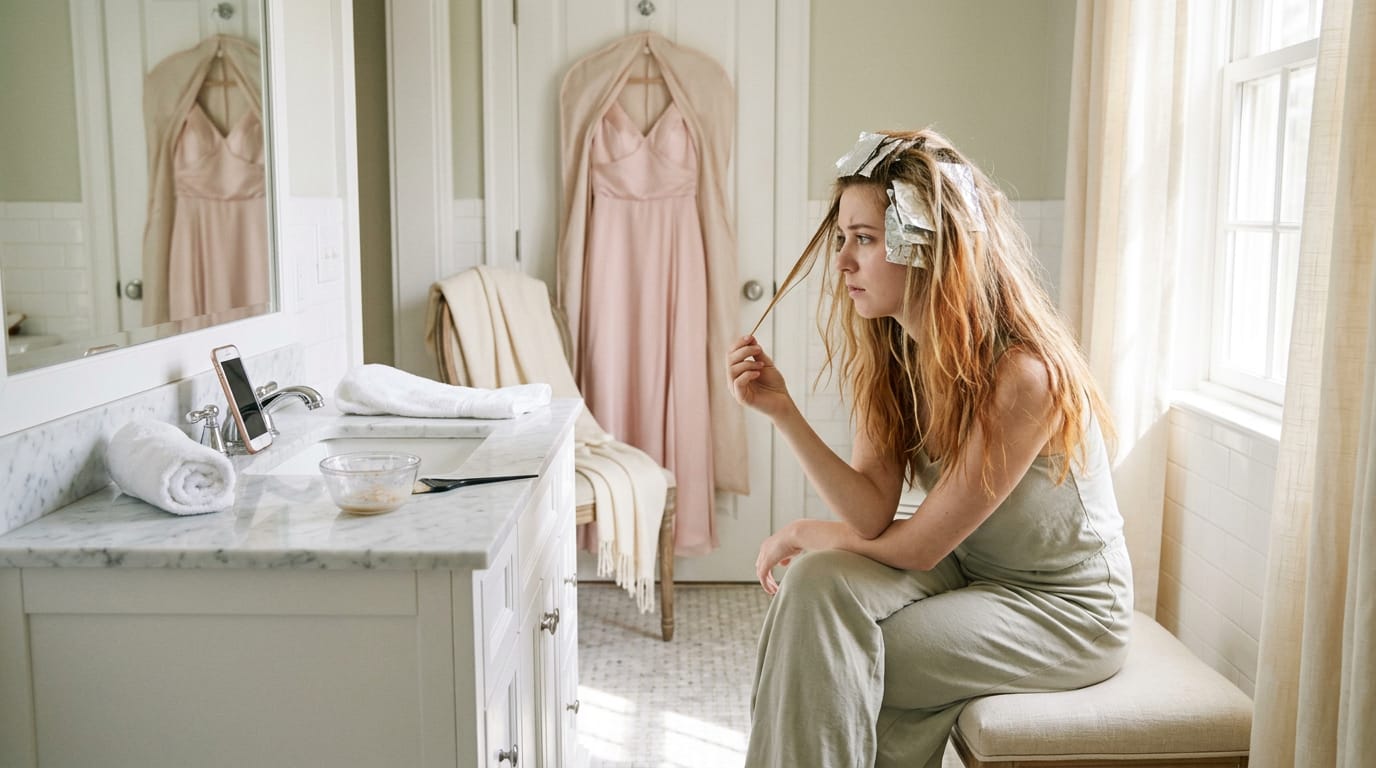
Doing balayage at home is a risky endeavor, and a professional is still the safest choice, especially before a big event. The biggest danger is patchy, brassy results: uneven lift and warm, orange tones that are tough to fix.
Consider a bridesmaid who wants soft, sun-kissed ends for the rehearsal dinner. With the right tools and a careful strand test, she can manage it, but if she rushes, she may spend her evening fixing brassiness instead of getting ready.
What you need in your kit
A solid home kit includes:
- A balayage kit with a brush for painting on color
- Gloves, clips, and a sectioning comb
- Clay lightener and developer, the activator you mix in to lift color
- A toning mask to tame brassiness afterward
- A strand test, a small section you lighten first to see how your hair responds
Walking through each step at home
Start with the face-frame halo approach: paint the pieces that frame your face first, since they’re the ones everyone notices. Then section your hair with the comb, clip the rest away, and tease each section lightly so the lightener can grip the strands.
Paint the lightener on in soft, freehand strokes, working lightly rather than heavily, then blend it by hand for a seamless look. Keep your gloves on the whole time.
Set a timer for 20 to 30 minutes, then compare your results to your strand test.
Rinse thoroughly, then apply your toning mask. Don’t skip the toner.
Keeping Your Balayage Looking Fresh
Lightened pieces need extra care, but the routine is simpler than you’d think.
Choosing toners and color-safe shampoos
Lightened hair can turn brassy (yellow or orange) over time, and a toner (a tinted treatment that neutralizes unwanted warm tones) is the fix. Use a weekly purple or blue shampoo: violet for light blonde, blue for darker tones.
Choose a sulfate- and paraben-free formula. Sulfates are harsh cleansers, and parabens are preservatives many people avoid. Pair it with color-care shampoo and conditioner.
A bride booking balayage for the wedding weekend uses violet shampoo weekly, so her blonde still looks bright in the photos.
Gentler washes, longer-lasting color.
Treatments that add shine and strength
Lightening can leave ends dry, so you’ll want a few treatments in your week:
- Hydrating masks add moisture back into thirsty strands.
- Glossing treatments add shine between salon visits.
- Bond-repair products help rebuild the internal bonds that lightening weakens.
- A weekly nourishing mask focused on your ends replenishes lost softness.
- A light leave-in for lightened ends keeps them soft rather than greasy.
Heat habits and when to refresh
Limit heat styling to the days you need it. Don’t skip the heat protectant (a product that shields strands from hot tools) before the dryer or iron.
Heat-free styling, like air-drying or loose braids, protects your color on busy days.
When your shine dulls or brassiness creeps back, a salon gloss or touch-up can refresh the tone. If a home toner turns out patchy or too cool, a colorist can fix it.
As balayage grows out, the lightened pieces blend into your natural shade. Refresh when the contrast looks uneven or ends look dull. You won’t need a fixed calendar.
Less heat, softer ends.
Balayage works because it’s built to look like you, just with a little more sunshine. Whether you book a salon appointment or try an at-home session, the goal stays the same: soft, dimensional color that grows out gracefully.
Keep your lightened pieces hydrated, go easy on heat, and space out your visits when you can. Your hair will look better for it, and so will your schedule.
The best balayage looks like it was always yours, just brighter.
References
- Analysis of modern approaches to hair care: An overview of products and techniques — doi.org (2025)
- Celebs Love the Balayage Bob Hair Trend for Summer — whowhatwear.com (2026)
Questions
What is reverse balayage?
Reverse balayage adds darker tones to previously lightened hair. It can reduce brassiness, restore depth, or blend older highlights and color with your natural shade.
What is the difference between balayage and highlights?
Traditional highlights are usually placed in set sections using foils, which can create more defined, stripe-like light pieces. Balayage is painted freehand without foils for a softer blend and more gradual grow-out.
What are the different ways to highlight hair?
Common highlighting techniques include foil highlights, freehand balayage, ombré, which fades from one shade to another, and foilayage, which combines foils with hand-painting. Stylists can also combine techniques to customize the placement and result.
What are the different blonde hair colors?
Blonde shades include ash, golden, vanilla, champagne, bright, and strawberry blonde. Babylights and sun-kissed effects offer softer lightening close to your base; the best choice depends on your starting color and desired warmth or brightness.
How much do highlights usually cost?
There is no single standard price for highlights. Cost varies with the stylist’s rates, location, hair length, and how customized the service is, so ask salons for written quotes.
Is balayage good for thin hair?
Yes. Balayage can suit thin hair because selective lightening adds depth and movement, and lighter pieces can make hair look fuller. A stylist can customize placement while lightening only chosen sections.
What color hair makes a 60 year old look younger?
A soft, warm shade that blends with your natural tone often looks fresher on a 60-year-old than stark, high-contrast blonde. Caramel, golden brown, or a warm blonde can add softness, while the best choice depends on skin tone and natural coloring.
What does "balayage" mean in English?
“Balayage” is French for “to sweep,” referring to the sweeping motion used to paint color onto the hair by hand.
Sources
The Journal